Advanced COPD Treatment for Better Breathing
Get expert evaluation and personalized care for COPD, chronic cough, breathlessness, and other respiratory symptoms. Dr. Davinder Kundra provides comprehensive pulmonary care focused on managing symptoms, supporting lung function, and improving quality of life.
What Is COPD?

Understanding COPD & Its Impact on Breathing
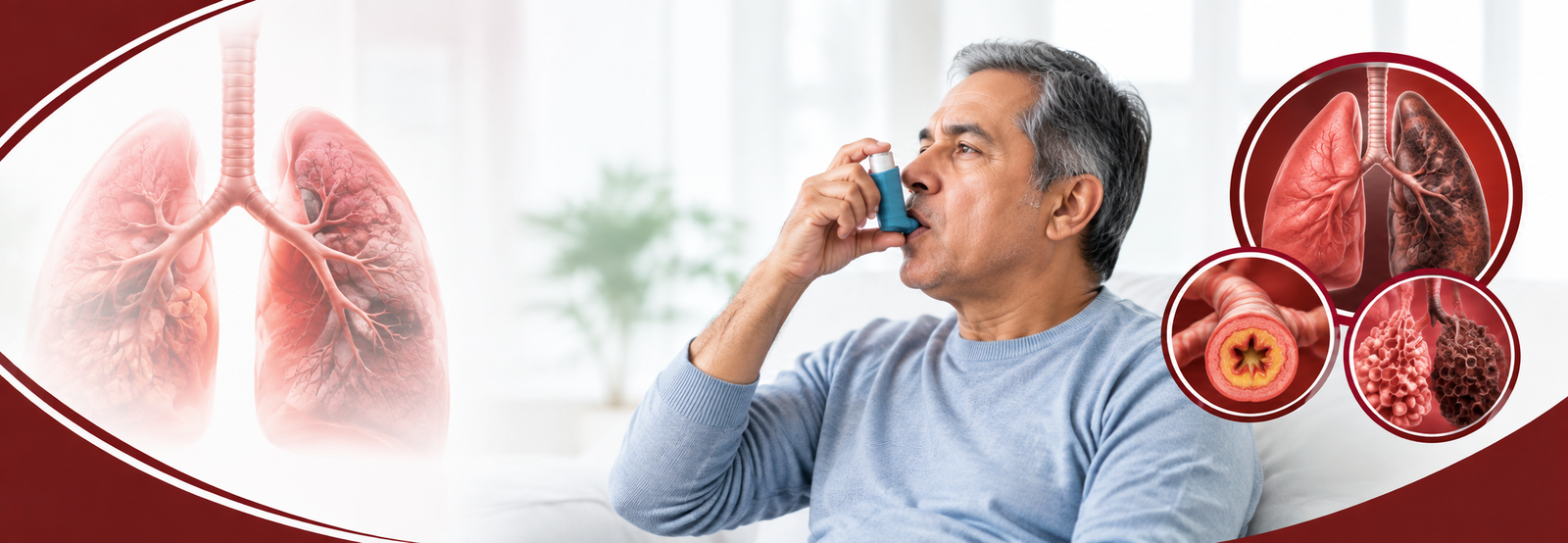
Chronic Obstructive Pulmonary Disease (COPD) is a long-term lung condition that causes airflow limitation and makes breathing difficult. It commonly includes conditions such as chronic bronchitis and emphysema.
COPD can cause symptoms such as persistent cough, mucus production, breathlessness, wheezing, and reduced exercise tolerance. Early diagnosis and appropriate treatment can help manage symptoms, reduce flare-ups, and support better lung health.
At Breathe Better Clinic, Dr. Davinder Kundra provides personalized COPD evaluation, treatment, and ongoing respiratory care based on each patient’s condition and individual needs.
Recognizing Common COPD Symptoms
COPD can develop gradually, with symptoms such as persistent cough, breathlessness, wheezing, and mucus production. Recognizing these signs early can help with timely evaluation, appropriate treatment, and better respiratory health.
Persistent or Chronic Cough
A cough that lasts for a long time or frequently returns may indicate an underlying lung or respiratory condition.
Shortness of Breath
Difficulty breathing or feeling out of breath, especially during physical activity, can be a common respiratory symptom.
Wheezing
A whistling sound while breathing that may occur when the airways become narrowed or irritated.
Excess Mucus or Phlegm
Increased production of mucus or phlegm can occur when the airways are inflamed or affected by a respiratory condition.
Chest Tightness
A feeling of pressure, heaviness, or tightness in the chest that may be associated with breathing difficulties.
Fatigue & Reduced Exercise Tolerance
Feeling unusually tired or becoming breathless during routine activities can affect your ability to exercise and perform daily tasks.
Understanding the Common Causes & Risk Factors of COPD
COPD can develop due to long-term exposure to lung irritants and other risk factors. Understanding these causes can help with prevention, early evaluation, and better management of respiratory health.
Smoking & Tobacco Use
Long-term smoking or tobacco use can damage the lungs and airways and is a major risk factor for developing COPD.
Long-Term Air Pollution Exposure
Prolonged exposure to polluted air can irritate and damage the airways, increasing the risk of chronic respiratory problems.
Occupational Dust & Chemicals
Regular exposure to dust, fumes, chemicals, or workplace pollutants can contribute to lung damage and respiratory disease.
Biomass Fuel Smoke
Frequent exposure to smoke from wood, coal, or other biomass fuels, especially in poorly ventilated areas, can affect lung health.
Secondhand Smoke
Regular exposure to tobacco smoke from others can irritate the lungs and increase the risk of respiratory conditions.
Genetic Factors
Certain inherited conditions, such as alpha-1 antitrypsin deficiency, can increase the risk of developing COPD, even in people who have never smoked.

Schedule Your Consultation Today
Book an appointment with Dr. Davinder Kundra for expert respiratory evaluation, personalized treatment guidance, and comprehensive care for better lung health.
Not sure which treatment is right for your COPD symptoms? Get expert evaluation, personalized treatment guidance, and a care plan tailored to your respiratory health and individual needs.
Personalized COPD Care & Treatment
At Breathe Better Clinic, Dr. Davinder Kundra takes a patient-focused approach to COPD management. A detailed assessment of your symptoms, medical history, smoking or environmental exposure, lung function, and respiratory health helps determine the most appropriate treatment approach. Your personalized care plan may include:
Inhaler-Based Treatment
Prescribed inhalers help relax the airways, improve airflow, and control COPD symptoms.
Pulmonary Rehabilitation
A structured program combining exercise, breathing techniques, and education to improve physical endurance and breathing.
Oxygen Therapy
Supplemental oxygen may be recommended for patients with persistently low blood oxygen levels.
Breathing & Airway Management
Breathing exercises and airway-clearance techniques can help improve breathing and manage excess mucus.
Lifestyle & Smoking Cessation Support
Guidance on quitting smoking, avoiding lung irritants, maintaining activity, and adopting healthier habits can help slow disease progression.
Regular Monitoring & Follow-Up
Ongoing assessments help monitor lung function, manage symptoms, adjust treatment, and reduce the risk of COPD flare-ups.
Dr. Davinder Kundra uses appropriate diagnostic evaluations, such as spirometry, pulmonary function testing, chest imaging, oxygen level assessment, and other respiratory tests when required, to assess lung function, understand the severity and progression of COPD, identify contributing factors, and determine the most suitable personalized treatment approach for each patient.
Why Choose Dr. Davinder Kundra for COPD Treatment in Tagore Garden?
Dr. Davinder Kundra provides personalized, comprehensive COPD care, focusing on accurate diagnosis, effective treatment, symptom management, and long-term respiratory health to help patients breathe better and improve their quality of life.
- Experienced Respiratory Specialist – Specialized expertise in diagnosing and managing COPD.
- Personalized Treatment Plans – Treatment tailored to your symptoms, condition, and lung health.
- Accurate Diagnosis – Comprehensive lung function and respiratory assessments.
- Advanced COPD Management – Focus on controlling symptoms and reducing flare-ups.
- Long-Term Lung Care – Guidance for maintaining better breathing and respiratory health.
- Patient-Centered Approach – Clear communication, compassionate care, and ongoing support.
Frequently Asked Questions About COPD
What is COPD?
COPD (Chronic Obstructive Pulmonary Disease) is a long-term lung condition that causes breathing difficulties and persistent airflow limitation.
What are the common symptoms of COPD?
Common symptoms include breathlessness, chronic cough, mucus production, wheezing, chest tightness, and fatigue.
What causes COPD?
Smoking is a major cause of COPD. Long-term exposure to air pollution, dust, chemicals, and other lung irritants can also contribute to the condition.
Can COPD be treated?
Yes. While COPD cannot usually be completely cured, appropriate treatment can help control symptoms, improve breathing, reduce flare-ups, and support quality of life.
How is COPD diagnosed?
COPD is commonly evaluated using spirometry and pulmonary function tests. Your doctor may also recommend chest imaging and other tests when required.
Can COPD get worse over time?
COPD can progress over time, particularly without appropriate management. Early diagnosis, treatment, lifestyle changes, and regular follow-ups can help manage the condition.
Is COPD only caused by smoking?
No. Although smoking is a major risk factor, COPD may also be associated with long-term exposure to air pollution, occupational dust and chemicals, biomass smoke, and certain genetic factors.
Can COPD patients exercise?
No. Although smoking is a major risk factor, COPD may also be associated with long-term exposure to air pollution, occupational dust and chemicals, biomass smoke, and certain genetic factors.
How can COPD flare-ups be prevented?
Following your treatment plan, avoiding smoke and other lung irritants, staying physically active as advised, maintaining vaccinations when appropriate, and attending regular check-ups can help reduce the risk of flare-ups.
When should I see a COPD specialist?
If you experience persistent breathlessness, chronic cough, frequent chest infections, wheezing, or reduced exercise tolerance, it is advisable to consult a respiratory specialist for proper evaluation and management.
Breathe Easier with Expert COPD Care
Get personalized COPD care focused on managing symptoms, improving breathing, and supporting long-term lung health. With expert guidance and ongoing care, take confident steps toward a better quality of life.